What the IRS Knows About Your Big Win (And What You Should Know Before They Come Knocking)
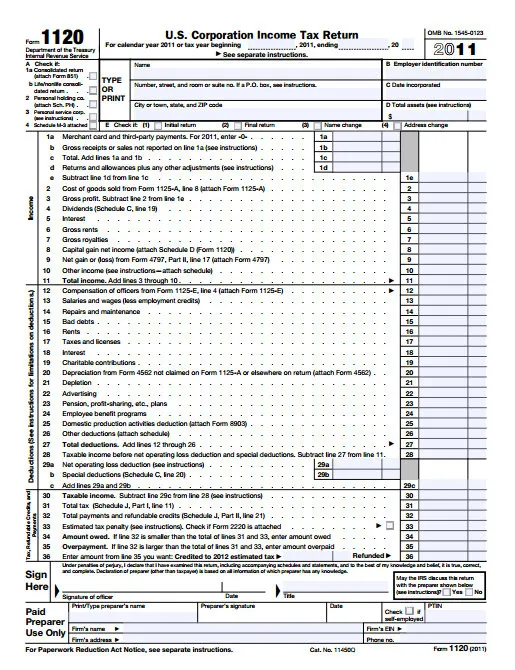
Photo: Internal Revenue Service, Public domain, via Wikimedia Commons
There's nothing quite like that rush when the payout hits your account. You did the work, you read the game, you pulled the trigger at the right moment — and now the money is yours. At BwinPH777, we're all about celebrating those moments.
But here's the part nobody talks about at the victory party: the federal government wants a slice, and unlike a bad beat, this one isn't going away.
Most US players are genuinely caught off guard when gambling taxes surface. Not because they're trying to dodge anything — but because nobody really explains how quickly and seriously these obligations kick in. Let's fix that.
Gambling Winnings Are Fully Taxable — No Exceptions
The IRS is crystal clear on this point: all gambling winnings are considered ordinary income. That includes casino games, sports betting, poker, slots, and yes, digital platforms like the one you're playing on right now. Whether you win $500 on a parlay or $50,000 on a hot streak at blackjack, it counts as taxable income for the year you received it.
There's no minimum threshold before the income becomes taxable, either. The thresholds that exist — like the $600 mark for sports betting or $1,200 for slot jackpots — are simply the points where a platform is required to issue a W-2G form. But even if you win $200 and never see a tax form, you're still legally required to report it.
That's a distinction a lot of players miss, and it's an expensive one.
The W-2G: When the Platform Reports For You
Online gaming operators are required by federal law to issue a W-2G form when your winnings hit certain thresholds. Here's a quick breakdown:
- $1,200 or more from slots or bingo
- $1,500 or more from keno
- $5,000 or more from poker tournaments
- $600 or more from sports betting (if the payout is at least 300x your wager)
When a W-2G is generated, a copy goes directly to the IRS. So if you think those winnings slipped under the radar — they likely didn't. Digital platforms have reporting infrastructure built in, and the IRS has been steadily expanding its focus on online gambling transactions.
In some cases, the platform will withhold 24% of your winnings upfront as federal tax before you even see the payout. That's called backup withholding, and while it stings in the moment, it can actually save you from a nasty surprise in April.
State Taxes: The Bill That Varies Wildly by ZIP Code
Federal tax is just the opening act. Depending on where you live, your state may also want a cut — and the rates vary dramatically.
States like California, New York, and New Jersey have income tax rates that can push your total gambling tax burden well past 30% when combined with federal obligations. Meanwhile, players in Nevada, Texas, Florida, and a handful of other states pay zero state income tax on gambling winnings.
If you live in a high-tax state and you're racking up consistent wins on digital platforms, the math changes significantly. A $10,000 win in New York — after federal and state taxes — could net you closer to $6,500. That's not a reason to stop playing smart, but it absolutely needs to factor into how you think about your actual take-home.
The Digital Trail Is Longer Than You Think
Here's where a lot of online players get tripped up: they assume digital gambling is somehow less traceable than walking into a casino. It's not. In fact, it might be more traceable.
Online platforms maintain detailed transaction records. Deposits, withdrawals, wins, losses — all of it is logged. And as the IRS continues to modernize its approach to digital financial activity, cross-referencing bank transactions with unreported gambling income has become significantly easier.
The agency has been increasingly vocal about online gambling compliance. If your bank account shows large, unexplained deposits that match up with gambling platform withdrawals, that's exactly the kind of pattern that can trigger a closer look.
Can You Deduct Losses? Yes — But There's a Catch
The good news: the IRS does allow you to deduct gambling losses. The not-so-good news: you can only deduct losses up to the amount of your winnings, and only if you itemize your deductions rather than taking the standard deduction.
For most casual players, the standard deduction is higher than their itemized total, which means the loss deduction effectively disappears. But if you're a serious player with significant documented losses, itemizing can make a real difference.
The key word there is documented. The IRS expects records — betting slips, account statements, session logs, screenshots of wins and losses. Keeping a simple gambling journal tied to your platform activity is one of the smartest things a regular bettor can do.
Practical Steps to Protect Your Winnings
So what does a smart player actually do with this information? A few things:
Track everything in real time. Don't wait until January to reconstruct your gambling activity. Download your transaction history monthly and keep it somewhere organized.
Set aside a tax reserve. A good rule of thumb: treat 25-30% of every significant win as already spoken for. Park it in a separate account and don't touch it. That way, tax season doesn't feel like losing the money twice.
Talk to a tax professional who understands gambling income. This isn't the situation for a generic tax prep service. Find someone familiar with gambling-specific deductions, state nuances, and digital platform reporting.
Don't ignore the small wins. The cumulative effect of not reporting smaller, consistent wins can add up to a serious underpayment over a full year.
The Bottom Line
Winning is the whole point — and at BwinPH777, we want you to keep as much of that money as possible. But keeping it means understanding what's owed before it becomes a problem, not after. The players who think ahead about taxes aren't being pessimistic. They're being sharp. And sharp is exactly what this game rewards.